Westinghouse WWT1084C7SA
10 kg top loader. 4 stars, 324 kWh a year (about $104 at 32¢/kWh), 670 mm wide by 720 mm deep.
If you buy through a link on this page, the retailer may pay us a commission.
Prices, key specs and fit
Prices
No price for this model at the retailers checked (28 Oct 2026): The Good Guys, Appliances Online and Bing Lee. It may be sold elsewhere, or through the brand's site.
Similar models with a price
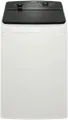 Westinghouse WWT1084C7WA 10 kg | $1,115 | Check price |
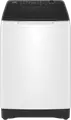 Haier HWT10AD1 10 kg | $895 | Check price |
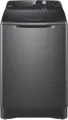 Haier HWT10ANB1 10 kg | $856 | Check price |
Same load type and a similar capacity, priced at the retailers checked.
Key specs
- Capacity
- 10 kg
- Load type
- Top
- Width
- 670 mm
- Depth
- 720 mm
- Height
- 1092 mm
- Labelled cycle
- 2 h 03 m
- Water, test cycle
- 107 L/wash
- Energy stars
- 4
- Energy a year
- 324 kWh
- Cost a year at 32¢/kWh
- $104
- Cost per wash
- about 28c
- Made in
- Thailand
- Registration no.
- ACW1246
Depth is the cabinet figure and leaves out hose and tap clearance behind the machine.
Will it fit
The cabinet measures 670 mm wide, 720 mm deep and 1092 mm high in the Australian Government's energy-rating database. Enter the space it has to go in.
Not included. These are cabinet figures. Manufacturers state a ventilation clearance per model in the installation instructions; a figure typed into the Clearance box applies to both sides, the back and the top. No clearance figure for this model is held here, so the answer above allows none until one is entered.
Manuals and guides
These links go to Westinghouse's own site. One guide often covers several models, so check the model number on the document reads WWT1084C7SA before relying on its figures.
How it compares
- 720 mm deep; 15 of the 21 with a listed size sit shallower.
- 324 kWh a year against a median of 342 across the 23 other top loaders within a kilo of its size; 11 of them use less.
- Labelled cycle 2 h 03 m; the median for similar machines is 1 h 56 m.
Compare it
Similar models: Westinghouse WWT1084C7WA · Haier HWT10AD1 · Haier HWT10ANB1 · Samsung WA90CG6745BW · Westinghouse WWT9084C7WA · Whirlpool VWED1102IG. More in Westinghouse washing machines, Top load washing machines and 10 kg washing machines.
Figures trace to this machine's entry (ACW1246) in the Australian Government's energy-rating database. Energy and cycle figures are from the government's labelled test program, which assumes one warm wash a day; household bills vary with use and tariff.