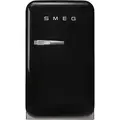
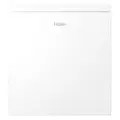
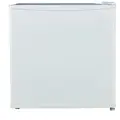
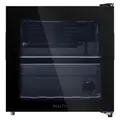
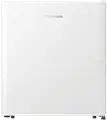
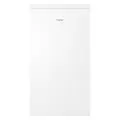
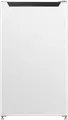
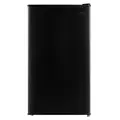
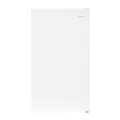
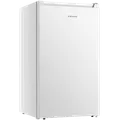
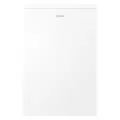
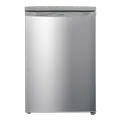
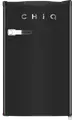
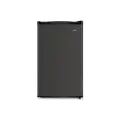
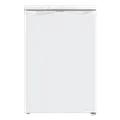
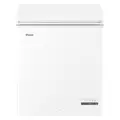
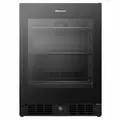
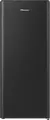
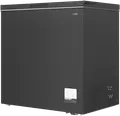
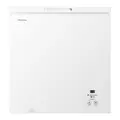
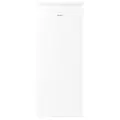
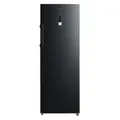
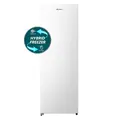
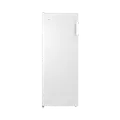
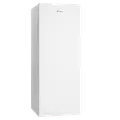
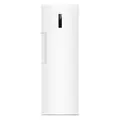
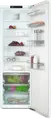
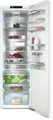
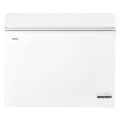
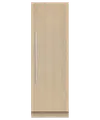
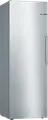
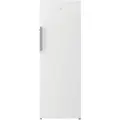
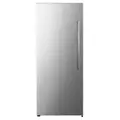
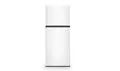
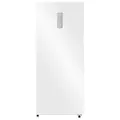
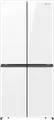
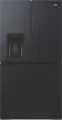
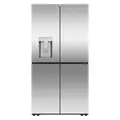
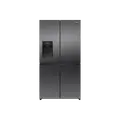
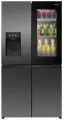
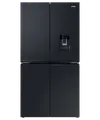
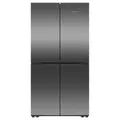
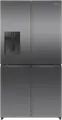
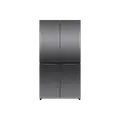
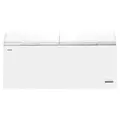
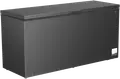
94 L fridge, priced from $385 at the retailers tracked (checked 28 Oct 2026). 3.5 stars, 110 kWh a year (about $35 at 32¢/kWh), 480 mm wide by 450 mm deep.
If you buy through a link on this page, the retailer may pay us a commission.
Prices checked 28 Oct 2026. Retailers may change prices during the day.
Key specs
Type
Fridge
Total volume
94 L
Doors
1
Width
480 mm
Depth
450 mm
Height
850 mm
Reversible door
Yes
Energy stars
3.5
Energy a year
110 kWh
Cost a year at 32¢/kWh
$35
Manufacturer's warranty
2 Years
Made in
China
Registration no.
ARF4145
Cabinet figures only. Manufacturers specify ventilation clearance per model, and doors can need more than the cabinet's width to open fully — both are in the model's manual.
Door hinge and warranty come from retailer listings, checked 28 Oct 2026.
Will it fit
The cabinet measures 480 mm wide, 450 mm deep and 850 mm high in the Australian Government's energy-rating database. Enter the space it has to go in.
With a door open 90° it reaches about 930 mm from the wall — a single leaf swings its full 480 mm width. That is geometry from the cabinet width and the door count, not a figure the manufacturer publishes: it ignores the handle and the door's own thickness.
Not included. These are cabinet figures. Manufacturers state a ventilation clearance per model in the installation instructions; a figure typed into the Clearance box applies to both sides, the back and the top. No clearance figure for this model is held here, so the answer above allows none until one is entered. Handle projection and door thickness are not recorded, and the hinge side decides which way the door opens.
These links go to Westinghouse's own site. One guide often covers several models, so check the model number on the document reads WIM1000WD before relying on its figures.
Figures trace to this model's entry (ARF4145) in the Australian Government's energy-rating database, and to retailer checks on the dates shown. The energy figure is for continuous running under the labelled test conditions. Noise figures, where shown, come from retailer spec sheets, not the database. Household bills vary with use and tariff.