Hisense 65U7QAU
65-inch LCD TV. 4K, 165 Hz, 1446 mm wide.
If you buy through a link on this page, the retailer may pay us a commission.
Prices, key specs and fit

Prices
No price for this model at the retailers checked (28 Oct 2026): The Good Guys, Appliances Online and Bing Lee. It may be sold elsewhere, or through the brand's site.
Similar models with a price
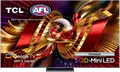 TCL 65C8L 65-inch (164 cm) | $2,295 | Check price |
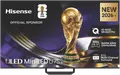 Hisense 65U7SAU 65-inch (164 cm) | $1,595 | Check price |
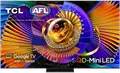 TCL 65C7L 65-inch (164 cm) | $1,565 | Check price |
Same type and a similar size, priced at the retailers checked.
Key specs
- Screen technology
- LCD
- Panel
- Mini LED
- Series
- Hisense U7 ULED
- Screen size
- 65-inch (164 cm)
- Native refresh
- 165 Hz
- Resolution
- 4K Ultra HD
- HDR and Dolby
- HDR 10, HDR10-plus Adaptive
- Smart platform
- VIDAA U9
- HDMI ports
- 4 (HDMI 2.1)
- Width
- 1446 mm
- Height
- 837 mm
- Depth
- 75 mm
- Depth on its stand
- 326 mm
- Weight without stand
- 19.6 kg
- VESA mount
- 400 x 400 mm
- Energy stars
- 5
- Energy a year
- 465 kWh
- Cost a year at 32¢/kWh
- $149
- Manufacturer's warranty
- 3 Years
- Made in
- China
- Registration no.
- ATV6680
Dimensions come from retailer spec sheets and describe the set itself. The spread of the stand's feet is not recorded here.
Size, panel, refresh rate, weight, VESA mount and warranty come from retailer listings, checked 28 Oct 2026.
Series and panel identified from the model number; the mapping is reviewed against each year's range.
Will it fit
It measures 1446 mm wide, 326 mm deep on its stand and 837 mm high, from retailer spec sheets. Enter the space it has to go in.
The depth is measured on the stand, which is what has to fit on a cabinet. Wall-mounted, the panel sits much closer to the wall.
Manuals and guides
Hisense's manuals are on its support site.
How it compares
- 465 kWh a year against a median of 465 across the 320 other 65-inch LCD TVs; 161 of them use less.
Compare it
Similar models: TCL 65C8L · Hisense 65U7SAU · TCL 65C7L · Hisense 65U6SAU · LG 65QNED90BSA · Hisense 65UR8SAU. More in Hisense televisions, Mini-LED TVs and 120 Hz and faster TVs.
Figures trace to this model's entry (ATV6680) in the Australian Government's energy-rating database. The energy figure assumes 10 hours of viewing a day, the labelled test basis. The government database records only energy figures; panel, refresh and smart-platform details, where shown, come from retailer spec sheets or the model-number series. Household bills vary with use and tariff.